AI automation & software
AI systems that runthe work your teamstill does by hand.
Voice agents, outreach systems and the internal software your team keeps almost building. You see the scope before anything starts, and everything runs on your own accounts.
Thirty minutes. No deck, no obligation.
- Scope agreed in writing before we start
- Everything runs on your own accounts
- You own the accounts, the code and the documentation
- $23M
- Manufacturer, production floor off paper
- $1.6B
- Family office, inbox handled for them
Sound familiar
Most businesses have at least one of these.
- 01
Retyped by hand
Somebody copies numbers between two systems every week. They are quick at it now, so nobody notices it any more.
- 02
One spreadsheet holds it up
Something that matters runs on a file, and one person knows how. Fine until a bad paste, or a holiday, or they quit.
- 03
Leads arrive and go cold
The form, the inbox, LinkedIn, somebody's phone. Nobody decided to drop them. There was never anything watching.
None of these is anybody’s fault. They are just jobs that never got a system built for them. We find whichever one is costing you the most, build it, and leave it running on your accounts.
Most popular
The six that pay for themselves fastest.
- 01Outreach SystemsIt finds the companies worth talking to, writes each one a personalised email, and follows up until they reply.
- 02AI Voice AgentsThe phone gets answered every time. The caller gets asked what you would ask, and the ones worth booking land in your calendar. Even at 7pm on a Sunday.
- 03AI Inbox AgentsYour mail gets read, sorted and answered in your own words before you open it. You approve, you do not write.
- 04Custom SoftwareWe map the process you already run, then build software around it, rather than bending your work to fit a product.
- 05CRM AutomationEvery lead lands on one board with an owner and a next step. Including automated follow-ups.
- 06Chat & Support AgentsIt answers your customers on the spot from your own documents, and passes anything it cannot answer to a person, with the conversation attached.
Selected work
Five systems running in production right now.
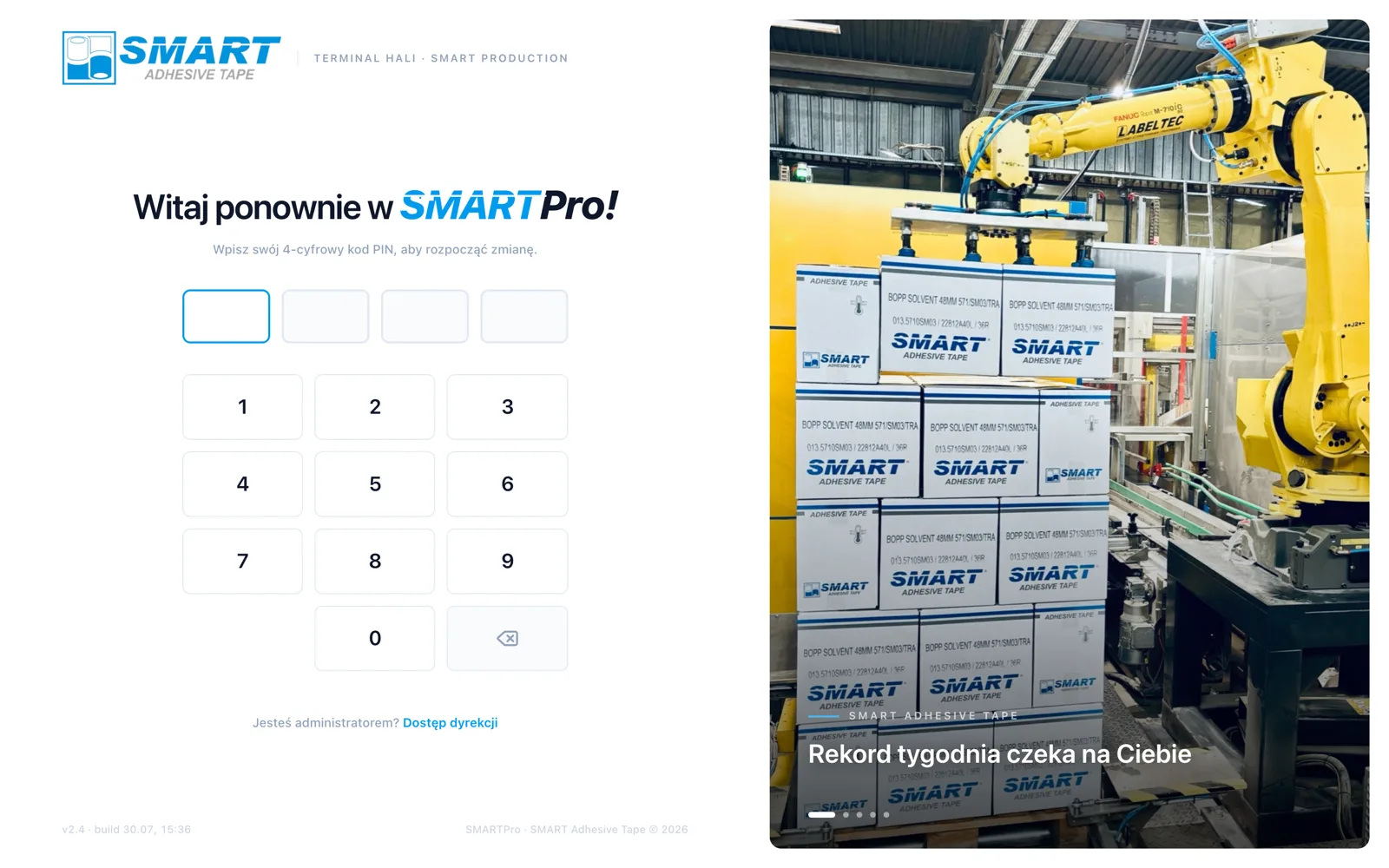
Industrial manufacturingSMART ProSMART is the tape and film brand of Total Market, a manufacturer running since 1992 and turning over about $23 million a year. A shift now ends and the numbers are already there. Nobody chases them, nobody retypes them, and the person who needs them at eight in the morning already has them. 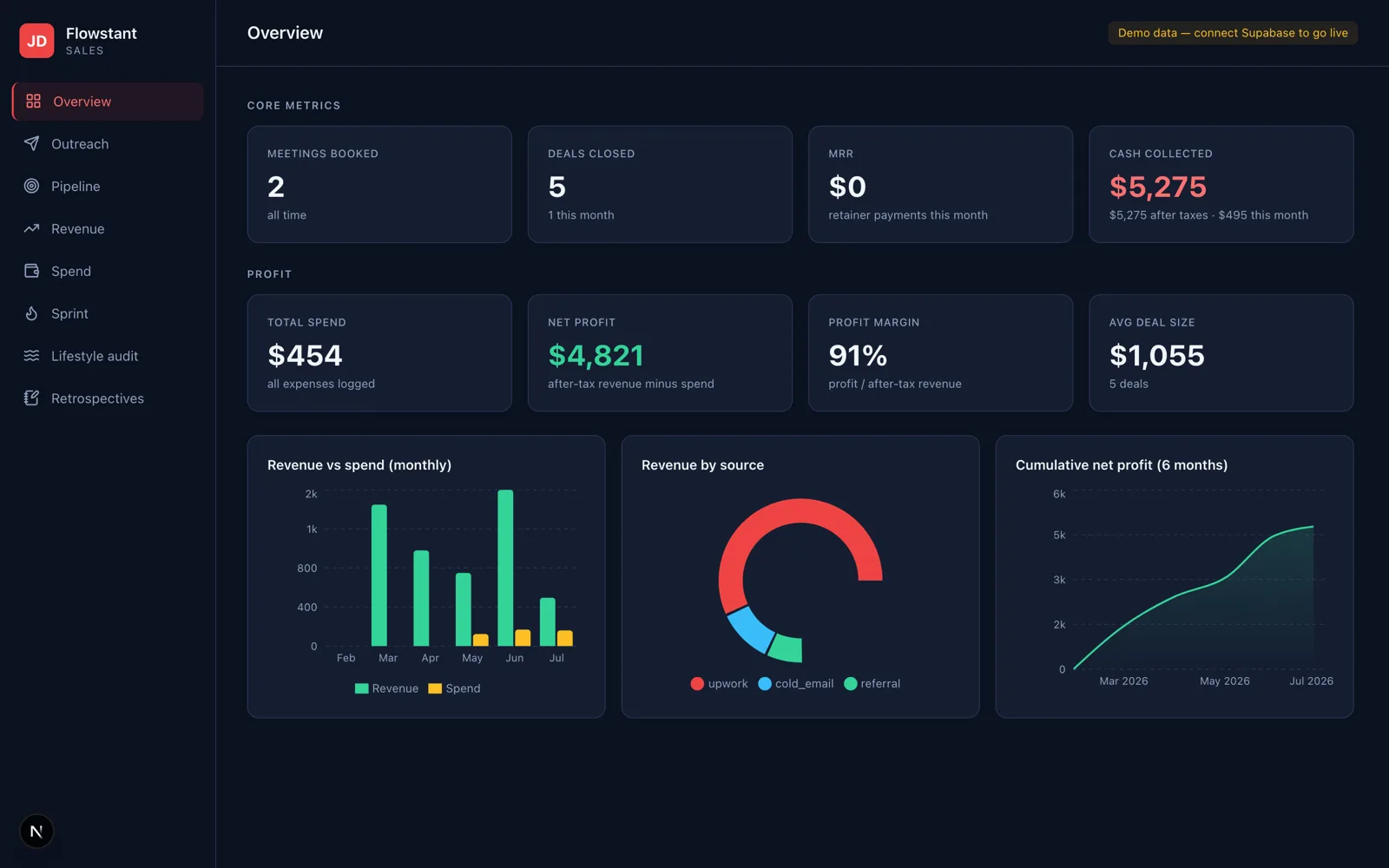
Sales dashboardEverything that matters on one screenDeals closed, cash collected, spend, margin, average deal size. All of it computed from the systems underneath. There is no spreadsheet behind this and nobody types a figure in. 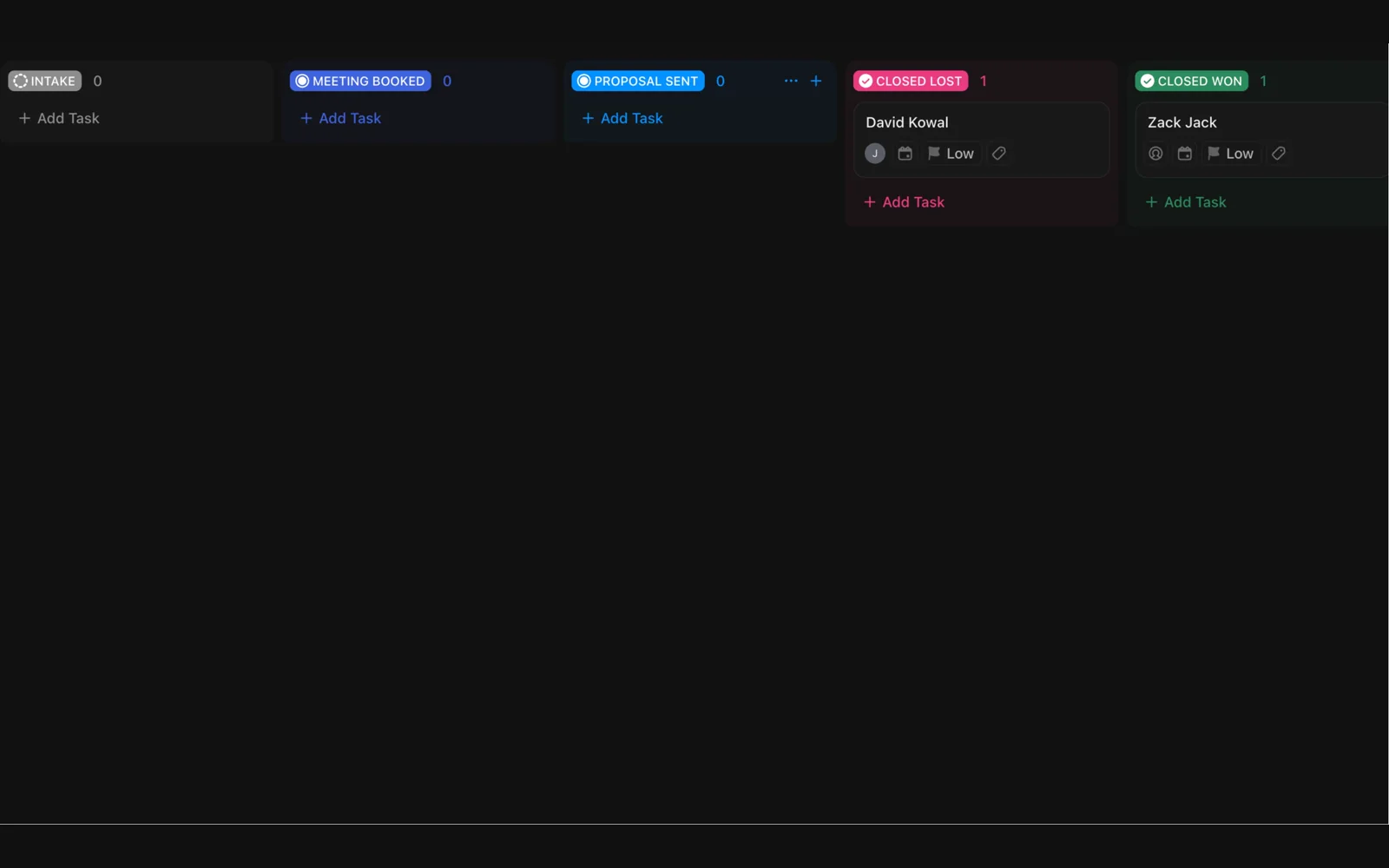
CRMCRM that fills itselfIntake, meeting booked, proposal sent, closed. Qualified leads land here on their own, so the board is an accurate picture of the pipeline without anyone maintaining it. 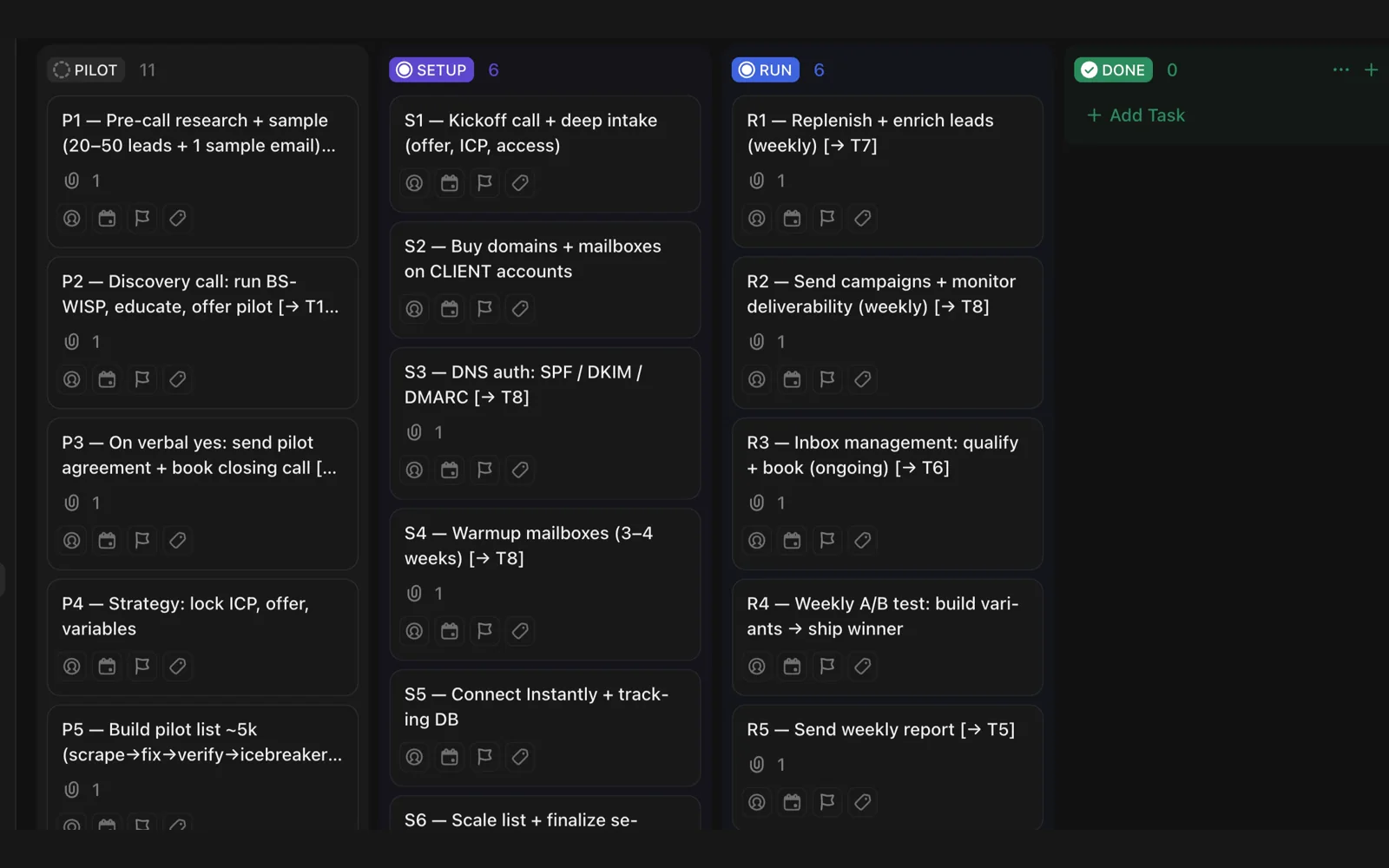
Project managementEvery build runs the same boardNothing about a project depends on somebody remembering it. Every step already exists as a task with an owner and a place in the order, so you can see where your build actually is on any day, and the next one starts from the same board rather than from scratch. 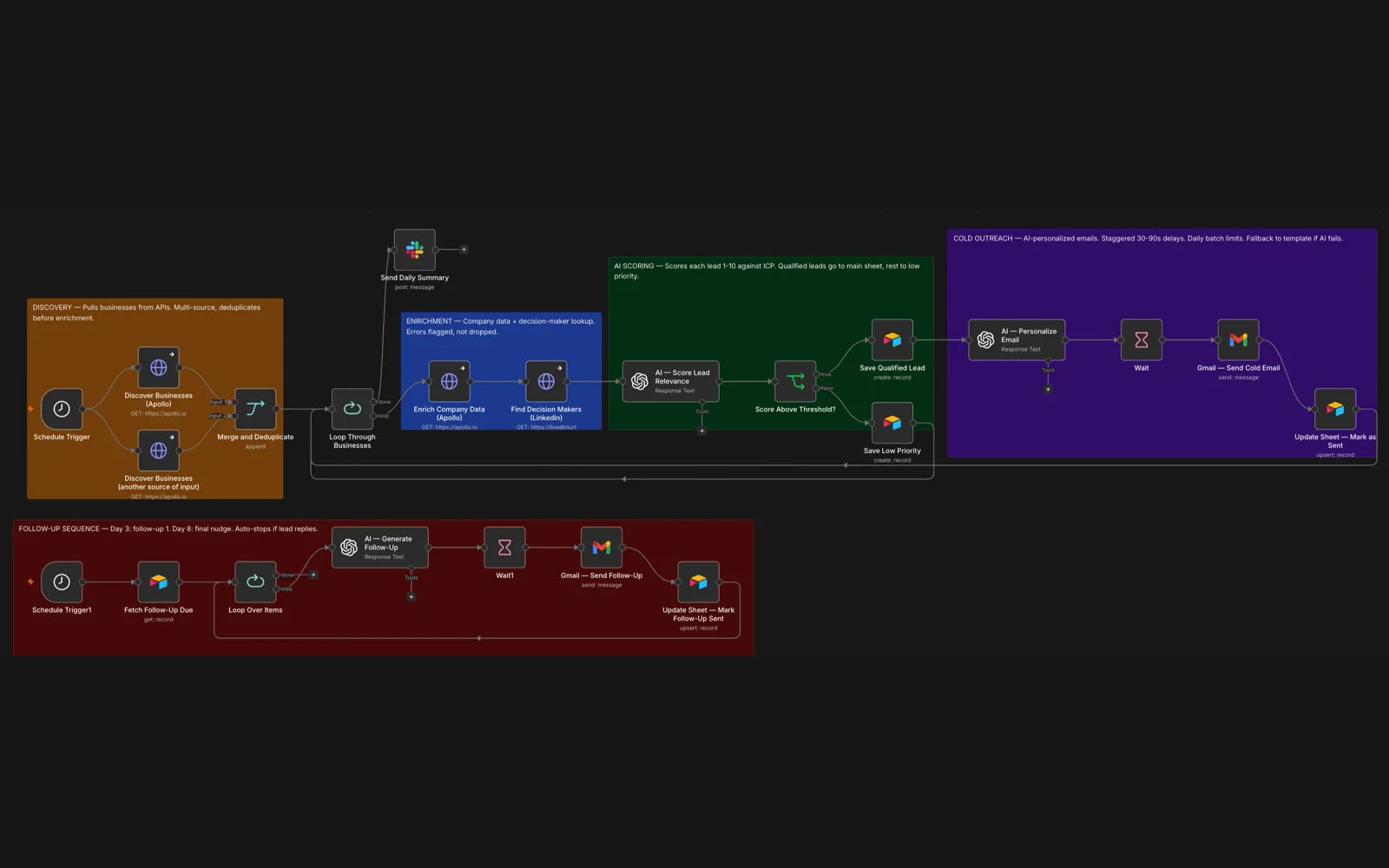
Automations, built in n8nLead engineNobody builds a list, nobody writes the first email, and nobody chases. Companies worth talking to arrive already researched, scored and contacted, and the moment one replies it stops and hands the conversation over.
Thirty minutes, free, and you leave with the plan either way.
- Scope agreed in writing before we start
- Everything runs on your own accounts
- You own the accounts, the code and the documentation
How it works
You approve the scope before any of it exists.
The scope is written down and agreed before the build starts, so nothing reaches an invoice that you have not already read and said yes to.
- Step 1
Call
Thirty minutes on how the work actually moves today. If automation is the wrong answer here, we say so on this call.
- Step 2
Scope
Exactly what gets built, and exactly what stays untouched. In writing, agreed, before anything starts.
- Step 3
Build
The smallest version that solves the problem goes live first, so you are using it while the rest is still being built.
- Step 4
Run
On your accounts, with logging and failure alerts. Nobody has to watch it for it to keep running.
- Step 5
Support
Optional, monthly. Tools change their APIs and reality changes its mind, and somebody has to fix that the same day.
Built with
- n8n
- Claude Code
- OpenAI
- Supabase
- Postgres
- Next.js
- React
- Python
- Make
- Twilio
- Instantly
- Gmail API
- Google Sheets
- Telegram
- Netlify
- Tailwind
No lock-in, no surprises, nothing you cannot take with you.
We find the work your team repeats by hand, then replace it with a system that runs on its own. In practice that means mapping a process, building it in no-code or in custom code, connecting it to the tools you already pay for, and staying on to fix it when reality changes.
Everything is quoted against a written scope agreed before anything is built. Small single-workflow builds and full custom applications sit at very different ends of the range, which is why the number is set on the call rather than published.
Mostly teams of 1 to 50 people, where one person is doing something repetitive that is quietly costing the business real hours. We have also built for a family office and for a 50-person manufacturer, so team size matters less than whether the process is worth automating.
It goes live on your own accounts, with logging and failure alerts, so you own it whether or not you keep working with us. Ongoing monthly support is optional, not a lock-in.
The system runs on your accounts and your own API keys, so your data keeps moving through tools you already control and access stays yours to revoke at any time. The AI layer sees only what a workflow needs for the task in front of it, and under the providers' standard business terms API traffic is not used to train their models.
n8n by default for workflow automation, Claude and OpenAI for the AI layer, Claude Code for the software itself, and Next.js with Supabase and Postgres when something needs to be a real application. If your team already runs on Make or another platform, we build there instead.
Start with an audit, not a contract.
Thirty minutes, free. We map how work moves through your business and name the one number that should change. If automation is the wrong answer we will say so.
Pick a time that suits you
- Scope agreed in writing before we start
- Everything runs on your own accounts
- You own the accounts, the code and the documentation